

Amex Credit Card Travel Insurance: What It Covers (and When It’s Not Enough)
If you’re trying to figure out whether Amex credit card travel insurance is enough for your trip, here’s the short answer:
- It covers trip delays, cancellations, baggage issues, and rental car damage
- It does NOT include medical coverage abroad
- It works best for simple trips when you understand the gaps
The real question isn’t what Amex covers. It’s whether that coverage is enough for your trip.
As a former insurance underwriter, I’ve spent more time than I’d like reading benefit guides and claim terms. The tricky part with Amex isn’t what’s included, it’s understanding where it falls short.
Here’s exactly how Amex credit card travel insurance works, what’s covered, and when you should consider additional protection.
This post mentions credit‑card products from American Express®, Chase®, Hilton®, Marriott®, Delta®, and other financial institutions. All trademarks belong to their respective owners, and Journey Currencies is not endorsed by or affiliated with these brands unless stated. Opinions are our own; content is educational, not financial advice. Always review your card’s Guide to Benefits for current terms.
Before diving into Amex coverage, it helps to understand how travel insurance actually works. This Travel Insurance Guide walks through when credit cards are enough and when a policy makes sense.
What Amex Credit Card Travel Insurance Actually Covers
📊 Here’s a quick breakdown of what Amex credit card travel insurance actually covers:
| Situation | Covered by Amex? | Notes |
|---|---|---|
| Trip cancellation | ✅ Yes | Round trip must be paid with eligible Amex card |
| Trip interruption | ✅ Yes | Same rules as cancellation |
| Trip delay | ✅ Yes | Triggered after 6–12 hours depending on card |
| Baggage loss or damage | ✅ Yes | Coverage limits apply |
| Baggage delay | ✅ Yes | Reimbursement for essentials |
| Rental car damage | ✅ Yes | Secondary coverage only |
| Medical expenses abroad | ❌ No | Not covered |
| Emergency evacuation | ⚠️ Limited | Only on select premium cards |
Most of these benefits cover delays and disruptions, not medical care. That’s the key difference most travelers miss.
Quick answer
• Amex coverage is enough for most simple domestic trips
• It’s NOT enough for international travel or strong medical protection
• If your trip is expensive or hard to rebook, you’ll likely want more coverage
Now that you’ve seen what’s covered, here’s how Amex credit card travel insurance actually works behind the scenes.
What Is Amex Credit Card Travel Insurance
Amex credit card travel insurance is a set of built-in protections that come with eligible cards.
It can reimburse you for:
- flight delays
- canceled trips
- lost or delayed baggage
- rental car damage
Think of it as a safety net for common travel problems, not full insurance.
You don’t need to enroll. Coverage activates when you:
book a round-trip itinerary
pay for your trip with your eligible Amex card
Key Coverage Gaps in Amex Travel Insurance
This is where most people get caught off guard.
Amex credit card travel insurance does NOT cover:
- medical or dental care abroad
- one-way trips
- trips not fully paid with your Amex
- pre-existing medical conditions
- anything reimbursed elsewhere
It’s also:
- secondary coverage (Amex pays after other reimbursements)
- limited in payout amounts
🚧 These gaps are why many travelers still use a separate policy for bigger trips.
When Amex Insurance Is Enough (and When It’s Not)
This is the part most people care about.
Amex is usually enough if:
- You’re taking a short domestic trip
- You booked everything with your card
- You’re okay with limited protection
- You mainly want delay + baggage coverage
You should consider additional insurance if:
- You’re traveling internationally
- You want strong medical coverage
- You’re booking expensive, non-refundable trips
- You’re going somewhere remote
For international trips, I usually add a separate policy so medical coverage is handled upfront instead of relying on reimbursements later.
⚖️ Simple rule:
Amex = basic protection
Policy = full protection
How Amex Credit Card Travel Insurance Works
To activate Amex travel insurance benefits, you usually need to:
- Pay for a round-trip itinerary with your eligible Amex or Membership Rewards points.
- Keep documentation, including delay notices, baggage claim reports, and receipts.
- File a claim online or by phone after the trip.
Two rules matter most:
- The trip must start and end in the same city to count as a round trip.
- Coverage is secondary, which means Amex pays after refunds or other insurance.
If you want a deeper breakdown of how credit card insurance works in general, see:
How Does Credit Card Travel Insurance Work? Everything You Need to Know
Pro tip: snap photos of receipts as you go; you’ll likely have to digitize them for a claim anyway (or just put them all in a ziplock like I did when I knew I’d be making a claim)
Comparing Amex Credit Card Travel Insurance vs Stand-Alone Policies
Here’s how Amex credit card travel insurance compares to a stand-alone policy:
| Coverage Type | Amex Credit Cards | Stand-Alone Travel Insurance |
|---|---|---|
| Trip delay | Included on eligible cards with set limits | Included, usually higher limits |
| Trip cancellation | Up to $10,000 per trip | You select the trip cost limit |
| Baggage loss | Included on many Amex travel cards | Included on most plans |
| Rental car damage | Secondary coverage | Often primary |
| Medical expenses | Not covered | Usually $50k to $1M |
Cost Snapshot: Free Perk vs Paid Policy
The cost difference matters more than most people expect:
- Amex coverage: included with your card
- Stand-alone policy: usually 4–10% of your trip cost
Example: a $3,000 trip → about $150 for full coverage
For a real look at filing a claim on a stand-alone travel insurance policy, read:
Real Travel Insurance Claim Experience: How We Recovered $2,615 After a Spain Trip Disaster
Which American Express Credit Cards Offer Travel Insurance?
Most American Express cards include some level of travel insurance, but coverage varies by card.
In general:
- Premium cards (like Platinum and co-branded travel cards) offer the strongest protections
- Mid-tier cards include more limited delay and baggage coverage
- Basic cards may have little or no travel insurance
Before relying on coverage, always check your specific card’s Guide to Benefits.
If you’re thinking about upgrading or switching cards, you may also like:
Premium Credit Cards That Pay for Themselves: How I Saved $6,400
and
Amex Platinum for Budget Travelers: A Low Spender’s Honest Review
Breakdown of Amex Travel Insurance Coverage
Trip Delay Insurance
Amex offers two versions of trip delay protection, depending on your card:
- 6-hour version: up to $500 per covered trip
- 12-hour version: up to $300 per covered trip
Requirements:
- Must be a round trip
- Must be paid with the eligible Amex card or Membership Rewards
- Coverage is secondary
- Maximum two claims per 12 months
Common eligible reasons (not guaranteed):
- Inclement weather preventing safe travel
- Equipment failure by a Common Carrier
- Lost or stolen passport
Common non-covered reasons:
- Issues known before your trip began
- Losses due to intentional acts by the traveler
Trip Cancellation and Interruption Insurance
If your trip is canceled or cut short for a covered reason, Amex may reimburse prepaid, nonrefundable costs.
Typical Amex limits:
- $10,000 per trip
- $20,000 per card per year
- Secondary coverage
Common covered reasons (examples, not guaranteed):
- Military orders or jury duty
- Inclement weather
- Subpoena by the courts
Common exclusions:
- Pre-existing conditions
- Mental health conditions (unless hospitalized)
- Traveling intoxicated or while committing a felony
Baggage Insurance
This protection applies when bags are lost, damaged, or stolen during travel.
Typical limits:
- $1,250 carry-on
- $500 checked
- Premium cards may offer higher limits up to $3,000
Requirements for Amex baggage insurance:
- Full fare for plane, train, bus, or ship must be paid with your Amex card that offers this benefit
- Combining Amex points (Membership Rewards or Pay With Points) is allowed
- Non-Amex points are not eligible (e.g., United miles + AmEx partial payment won’t count)
- Coverage is reduced by any amount the airline reimburses.
Amex Rental Car Insurance (Loss and Damage)
This covers damage or theft of a rental vehicle when you decline the rental agency’s coverage.
Rules to know:
- Usually secondary (so it pays after your personal auto insurance)
- Not available in Italy, Australia, or New Zealand
- Liability is not included (medical, damage to others not included)
- You must pay with the eligible Amex card and decline CDW/LDW
If you prefer primary rental coverage, cards from Chase or Capital One tend to be better choices.
You can compare these in:
Chase Credit Card Travel Insurance: The Ultimate Guide.
U.S. Residents: Check with your personal auto insurance. Some policies may already cover you when renting a car, especially within the U.S.
What Amex Travel Insurance Does Not Cover
This is worth repeating. Amex does not cover:
- Medical or dental bills abroad
- One-way travel
- Pre-existing medical conditions
- Travel booked without paying the round trip with your Amex
- Any expenses refunded by carriers or other insurance
For a packing-related companion read:
How to Travel Carry-On Only for Long Trips (and Still Have Room for Souvenirs)
Extra Amex Travel Support (What This Is and Isn’t)
Some premium Amex cards include additional travel support like Global Assist or concierge services.
These can help with things like:
- emergency coordination
- translation help
- travel changes
🧱 Important: these are support services, not insurance coverage. They don’t replace medical or trip protection.
How to File an Amex Travel Insurance Claim
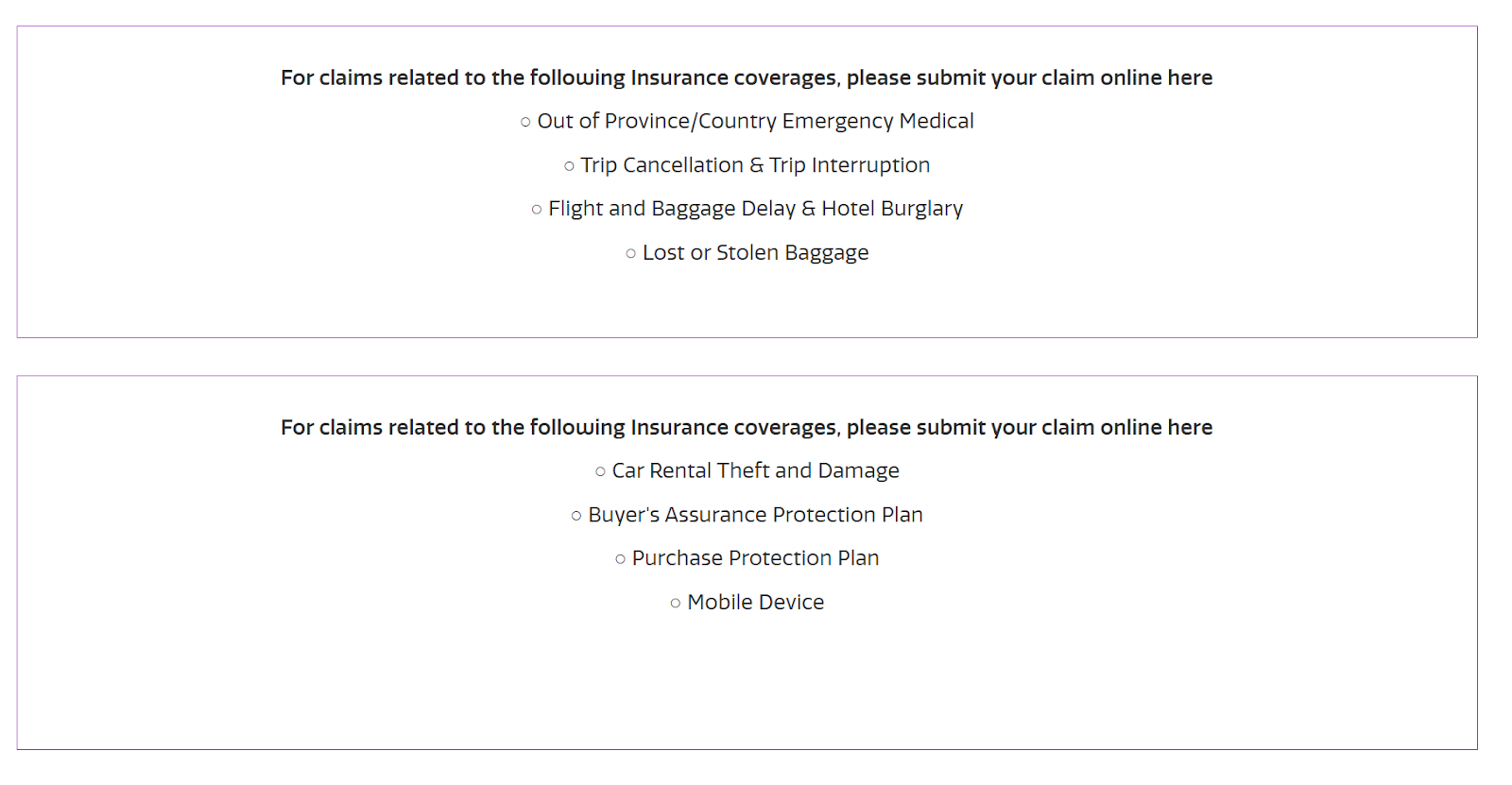
If something goes wrong during your trip, you can file a claim through American Express.
Basic steps:
- Keep receipts and documentation (delays, cancellations, baggage reports)
- Log into your Amex account and start a claim
- Submit required documents
🧾 Tip: Take photos of receipts as you go. It makes the process much easier later.
You can start a claim, save progress, or check status from the same portal.
Is Amex Travel Insurance Enough?
For domestic trips, carry-on travel, or simple itineraries, Amex protections may be enough. Many travelers rely on them for smaller issues like delays or baggage problems.
For international travel, remote destinations, or trips where medical care may be expensive, I recommend adding a separate travel insurance policy. Amex does not cover medical treatment abroad.
Car renters: I skip Amex’s secondary CDW and swipe a card with primary coverage (hello, Capital One Venture X or Chase Sapphire Preferred/Reserve).
Points & Miles Travelers: Where Amex Coverage Fits In
If you dream in award charts and track welcome bonuses in color‑coded spreadsheets, you already know the golden rule: every swipe has a purpose. Amex’s built‑in insurance is just another lever in the game. Lean on it when it adds value, ditch it when another card scores you more points or better coverage.
For a simple example of how small, everyday swipes can snowball into real trips, here’s how smart travelers turn everyday spending into real travel.
If You’re Already Deep in Points & Miles
- Minimum‑spend juggling: When you’re working on a fresh welcome bonus from another issuer, that card should probably get the airfare or hotel charge, meaning Amex protections sit out. Decide purchase‑by‑purchase: chase the points, or lock in the insurance?
- Primary rental‑car coverage: Chase Sapphire Preferred/Reserve and Capital One Venture X beat Amex’s secondary CDW. Swipe one of those solely for the rental car, then decide where the rest of the trip spend belongs.
- Award bookings & refunds: Third‑party insurers won’t redeposit your points or miles, and Amex only reimburses forfeited Membership Rewards®. Luckily, programs like Hilton Honors and United MileagePlus often redeposit awards for free or a modest fee. Keep that in mind when valuing “coverage” on an award ticket.
- Taxes‑and‑fees workaround? Not with Amex. Some cards (think Chase) extend flight coverage if you pay just the taxes and fees with the card. Amex requires that the entire round trip be paid with the card or Amex Membership Rewards points for benefits to trigger.
If You’re New to Points & Miles
- Pick one reward‑heavy Amex (Platinum, Hilton Aspire, etc.) so you earn points and unlock the insurance in one swipe.
- The annual‑fee math: If the card’s perks and insurance save you more than the fee, you’re ahead before earning a single point.
- Layer on a stand‑alone policy for overseas trips until you’re comfortable tracking multiple cards and benefit guides.
Helpful reads:
How to Use Credit Card Points for Travel: A Beginner’s Guide to Flexible Rewards
How Does Credit Score Affect Your Points and Miles Path?
Packing It Up
Amex credit card travel insurance can be a reliable safety net for everyday travel issues like delays, cancellations, and lost bags. It is not a replacement for full travel insurance, especially if you are going abroad or planning an expensive trip.
If you carry a premium Amex card like the Platinum, Hilton Aspire, or Delta Reserve, you already have some of the most useful built-in protections available. Just remember to book your round trip with your Amex, save your receipts, and skim your benefits guide before leaving home.
Your Next Read
Real Travel Insurance Claim Experience: How We Recovered $2,615 After a Spain Trip Disaster
How Does Credit Card Travel Insurance Work? Everything You Need to Know
How the Delta Companion Certificate Works (Rules & Booking Tips)